Painting Techniques: A Collector's Guide
Oil, acrylic, watercolour, pastel… Each painting technique has its own character, its market value and its potential for appreciation. This guide has been designed to help you — whether you are a beginner or an experienced collector — understand what you are buying, what you own and what it is worth.
1. Oil Painting
Oil painting is arguably the most prestigious technique in the history of Western art. It involves suspending pigments in a drying oil (linseed, walnut, poppy), which gives works an unmatched luminous depth and remarkable longevity. Drying is slow — several weeks, sometimes months — which allows for reworking, glazing and highly elaborate surface effects. The preferred support remains canvas stretched over a wooden frame, although wood panels and copper were widely used by the Old Masters.
Key artists: Rembrandt, Vermeer, Delacroix, Cézanne, Francis Bacon, Lucian Freud.
Auction market: This is the most active segment at Christie's, Sotheby's and Drouot. Major oil paintings by established 20th-century artists regularly achieve several million euros. For quality contemporary works, prices range from €5,000 to several hundred thousand euros depending on the artist's profile.
Trends: Figurative oil painting has made a spectacular comeback since 2018. Collectors — particularly younger generations — favour intimate formats and works with strong emotional content. Gallerists consider it a solid safe haven and an excellent long-term appreciation asset.
2. Acrylic Painting
Introduced in the 1950s, acrylic paint has become the dominant technique in contemporary art. Pigments are bound in a water-based acrylic polymer emulsion, enabling fast drying (minutes to hours), great versatility and exceptional resistance to yellowing. Acrylics can be applied as smooth flat areas, thick impasto or transparent washes depending on dilution. The medium works on canvas, paper, wood, metal and many other surfaces.
Its ability to mimic other techniques while offering unique possibilities — controlled pours, wet-on-dry blending, textured mediums — makes it the tool of choice for many leading contemporary artists.
Key artists: David Hockney, Gerhard Richter, Jean-Michel Basquiat, Bridget Riley, Kenny Scharf.
Auction market: Acrylics by major contemporary names reach remarkable heights: works by David Hockney and Gerhard Richter regularly exceed €10 million at Christie's and Sotheby's. For emerging or mid-career artists, prices range from €2,000 to €50,000, with very interesting growth margins.
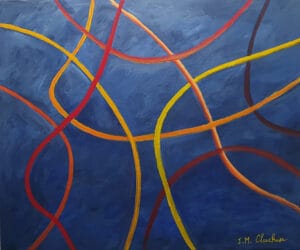
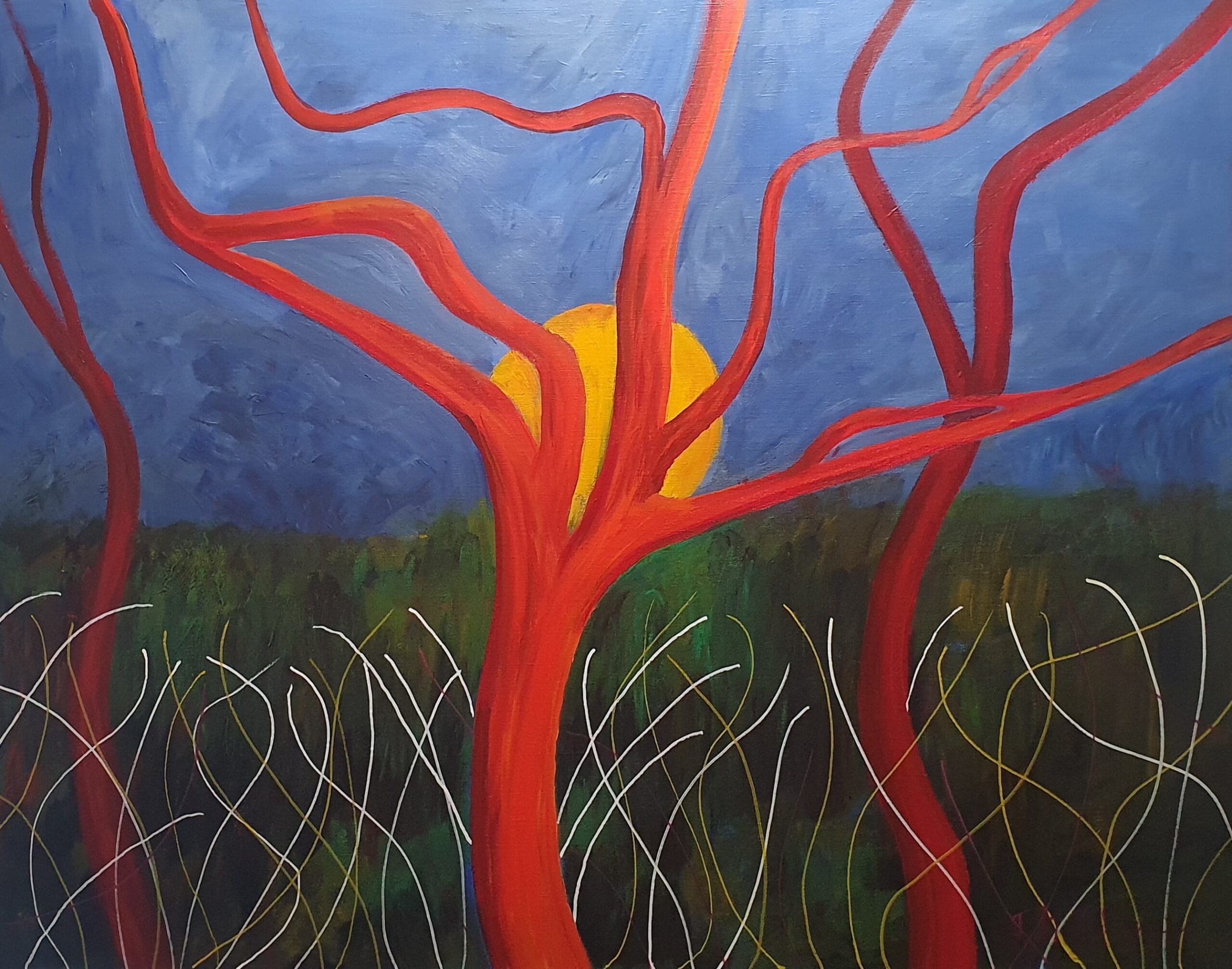
For collectors: Acrylic is now at the heart of the contemporary art market. Well-chosen acrylic works by artists with a rising profile represent one of the best artistic investments available today. To discover the work of a contemporary artist working notably in acrylics, visit cluchier-art.com — a compelling example of the vitality and sensitivity this technique can express. Original works are also available for acquisition at www.cluchier-art.com.
Trends: Gallerists favour acrylics for their practicality and durability. Collectors appreciate the diversity of effects achievable and the relatively accessible entry-level prices compared to oil.
3. Gouache
Gouache is an opaque water-based paint, denser and more covering than watercolour. It is applied on paper or card and produces vivid, matte tones once dry. Long favoured by illustrators and poster artists, it is making a strong comeback in contemporary art through highly pared-down forms.
Key artists: Henri Matisse, Paul Klee, Joan Miró, Josef Albers.
Market: Gouaches by major historical artists achieve significant prices (several hundred thousand euros for Matisse or Miró). For contemporary artists, the market is more accessible, ranging from €500 to €15,000. Collectors appreciate the freshness and often more intimate scale of the medium.
Trends: Gouache is enjoying a notable revival, driven by minimalist aesthetics and formats well suited to contemporary interiors. A good entry point for new collections.
4. Watercolour
The ultimate technique of transparency and light, watercolour uses pigments bound with gum arabic, diluted generously in water. The white of the paper plays a fundamental role in the luminosity of the work. Mastering watercolour demands precision and speed — reworking is almost impossible. It is applied exclusively on specialist paper, often of heavy weight.
Key artists: Turner, Dürer, Winslow Homer, Paul Signac, John Singer Sargent.
Market: Major watercolours by historical masters can reach several million euros. The contemporary market remains more modest, between €800 and €20,000. The relative fragility of the medium (light sensitivity) is a factor to consider in collection management.
Trends: Watercolour has benefited from renewed popularity, particularly through social media, which has revealed a very wide audience. Specialist gallerists report growing demand for quality original works.
5. Pastel
Pastel comes in stick form, made of pure pigments bound with minimal binder (gum, clay). There are two main types: soft pastel, with a velvety, powdery finish, and oil pastel, richer and more covering. Soft pastel is applied on textured paper or prepared canvas and requires careful fixation for conservation.
Key artists: Degas, Redon, Mary Cassatt, Toulouse-Lautrec.
Market: Degas pastels rank among the most sought-after works on paper in the world, regularly exceeding €10 million. For contemporary artists, prices range from €1,000 to €30,000. Conservation is an important point of vigilance for collectors.
Trends: Pastel is undergoing a critical rehabilitation. Specialist galleries note growing interest from younger collectors attracted by the unique chromatic richness of the medium.
6. Mixed Media
Mixed media combines several mediums on a single support — acrylic and oil, gouache and pastel, collage and painting — to create effects impossible to achieve with a single technique. Hugely popular since the 1980s, mixed media offers great expressive freedom and is at the core of many major contemporary practices.
Key artists: Rauschenberg, Cy Twombly, Anselm Kiefer, Jean Dubuffet.
Market: The mixed media market is one of the most dynamic in the contemporary sector. Works by Anselm Kiefer or Cy Twombly reach tens of millions of euros. For emerging artists, prices start from around €1,500, with strong appreciation potential.
7. Drawing
Graphite, charcoal, sanguine, Indian ink, ballpoint pen — drawing is both the foundation of all pictorial practices and a fully autonomous discipline in its own right. Long regarded as a preparatory study, it is now recognised as a major form of expression.
Key artists: Ingres, Klimt, Giacometti, Louise Bourgeois, Raymond Pettibon.
Market: Drawing often represents the best value-for-money entry point into a major artist's collection. At Christie's and Sotheby's, important historical drawings reach several hundred thousand euros, but many quality original works are accessible between €500 and €10,000.
Trends: Gallerists note a marked interest from collectors in contemporary drawing, perceived as more authentic and less speculative than painting.
8. Collage
Invented by the Cubists (Picasso, Braque) in the early 20th century, collage incorporates heterogeneous materials — cut paper, photographs, fabrics, objects — onto a pictorial support. It questions the very notion of the artwork and remains a very vibrant technique in contemporary art.
Key artists: Picasso, Schwitters, Hannah Höch, Peter Blake, Warhol.
Market: Historical collages by Picasso or Schwitters reach several million euros. The contemporary market is very active, with prices between €1,000 and €40,000 for recognised artists.
9. Other Techniques
Contemporary art constantly expands its field: encaustic (hot wax), size painting, fresco, epoxy resins, digital painting printed on canvas… These emerging or rehabilitated techniques attract growing interest from both institutions and private collectors. Their appreciation potential is often significant, precisely because their markets are not yet fully mature.
Conclusion: Collecting Art with Confidence
The technique of a work is not a minor detail: it determines its durability, its resale value and its potential for appreciation. Oil painting remains the absolute reference for the major auction houses, but acrylic has established itself as the standard of contemporary art, with remarkable performances on the secondary market. Works on paper — watercolour, pastel, drawing, gouache — often offer the best opportunities to enter a serious collection at a lower cost.
Whatever your level of experience, building a coherent collection takes time, curiosity and encounters with artists. Start with what moves you — it is always the best starting point.