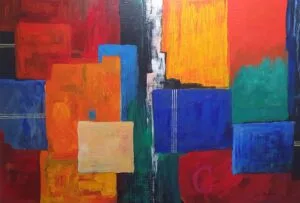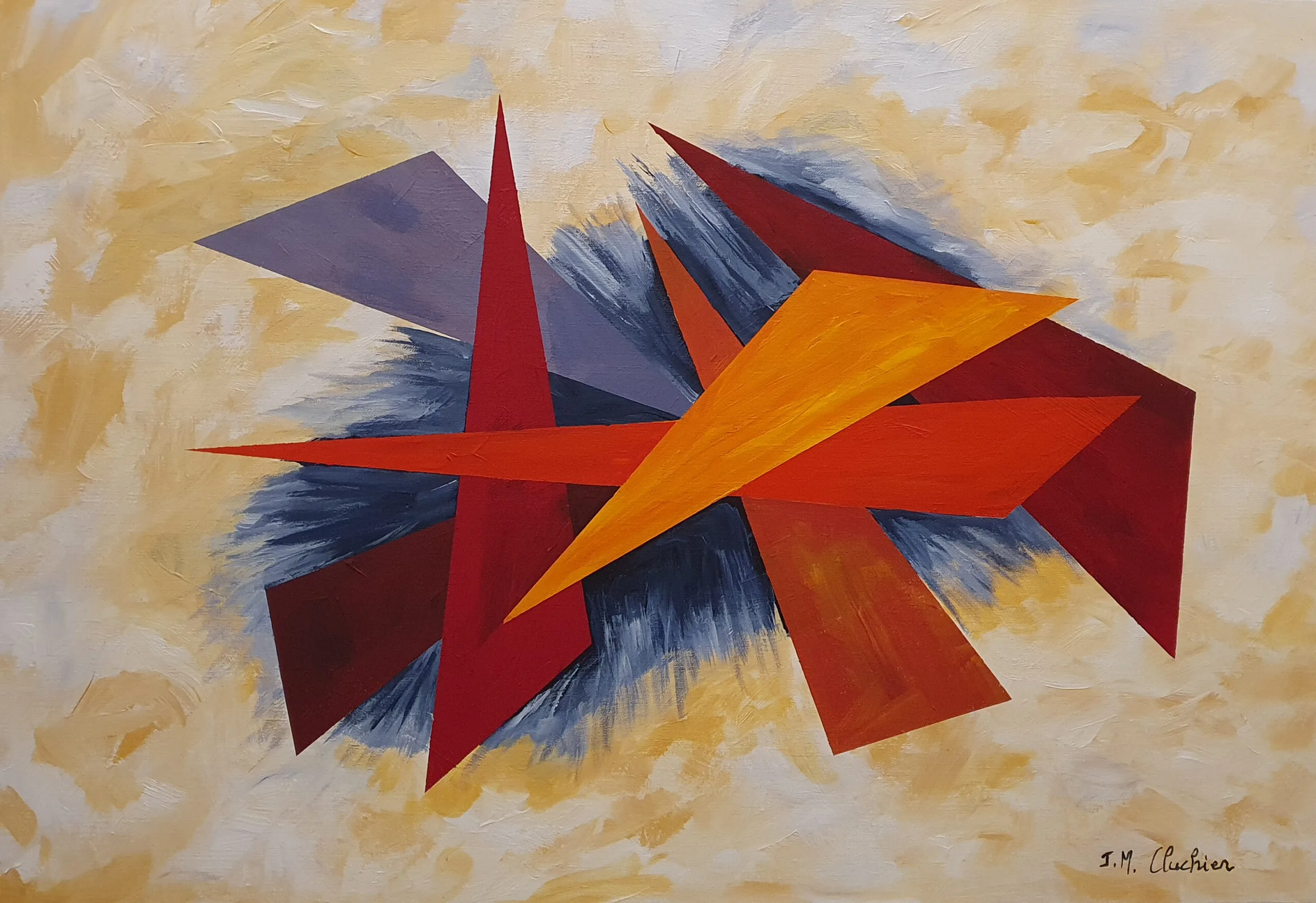
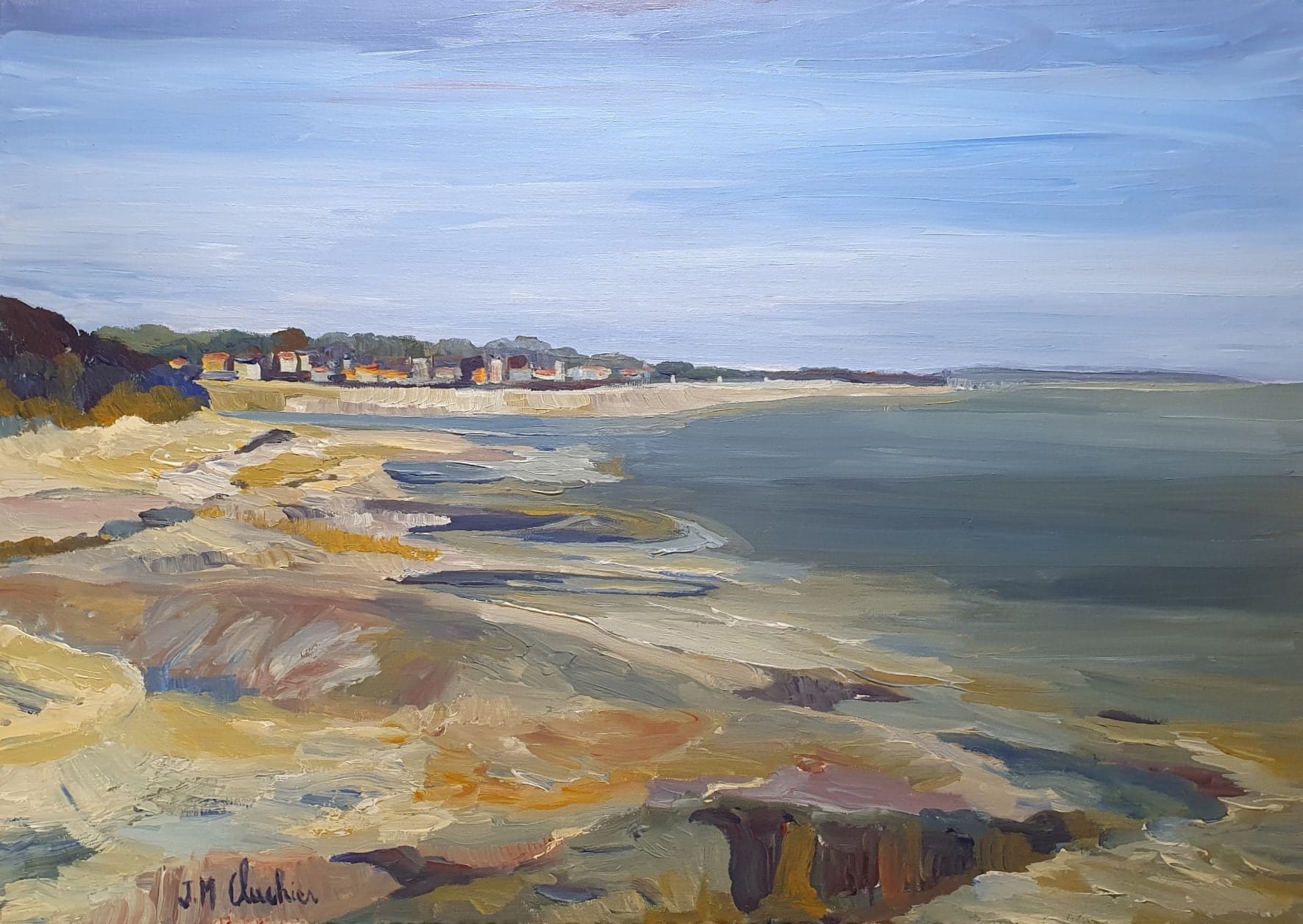
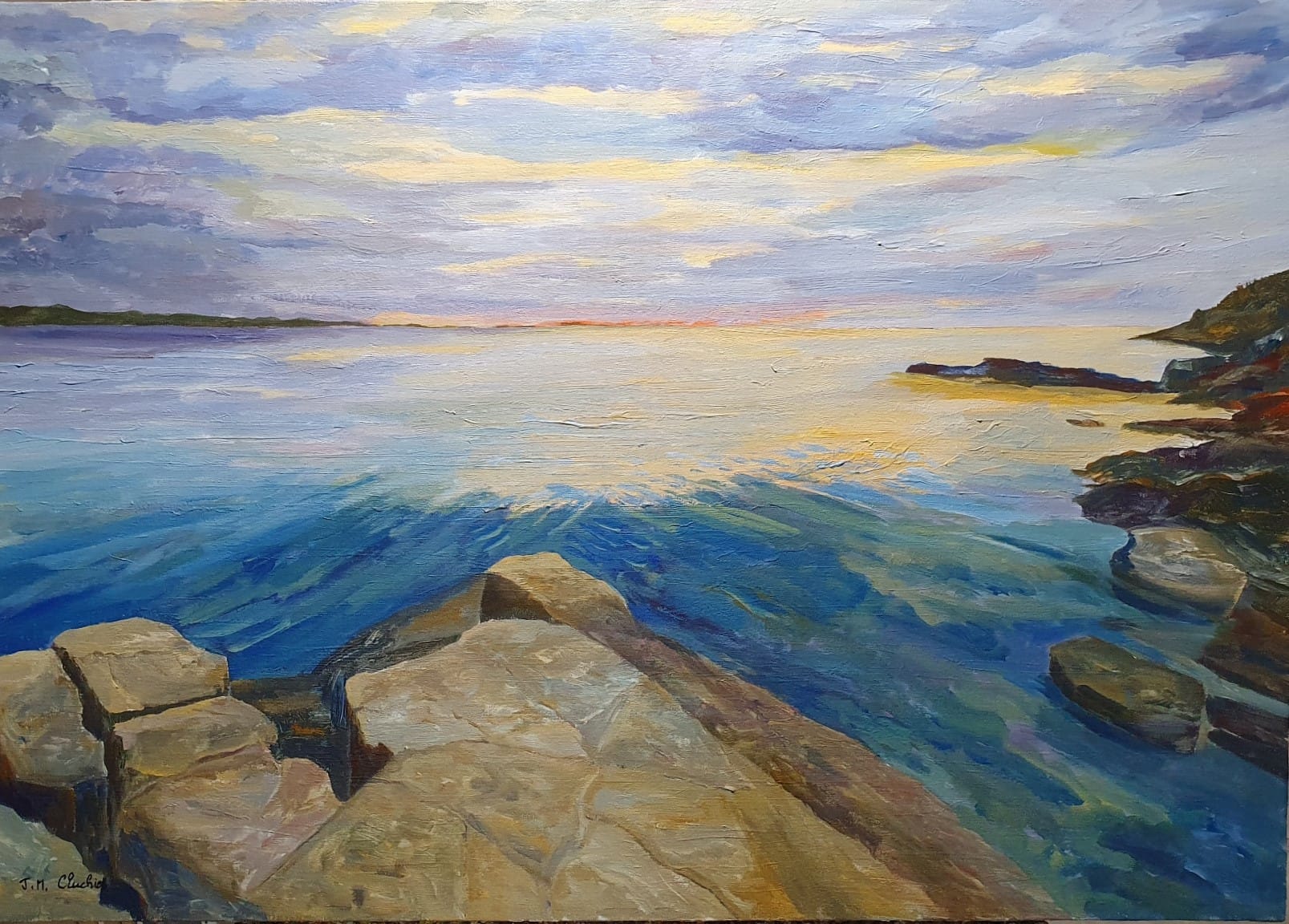
Almost everyone who knows me and looks at my paintings thinks they’re oil paintings. In fact, over time, I’ve realized that only a small minority of people are familiar with this type of medium, even though it’s increasingly used in contemporary art. I created this blog post to provide some basic information on the subject.
History of Acrylic Paint
Birth of a Revolutionary Medium
Chemical Composition and Differences from Oil
A Modern Formulation
Fundamental Differences from Oil Paint
Essential Usage Characteristics
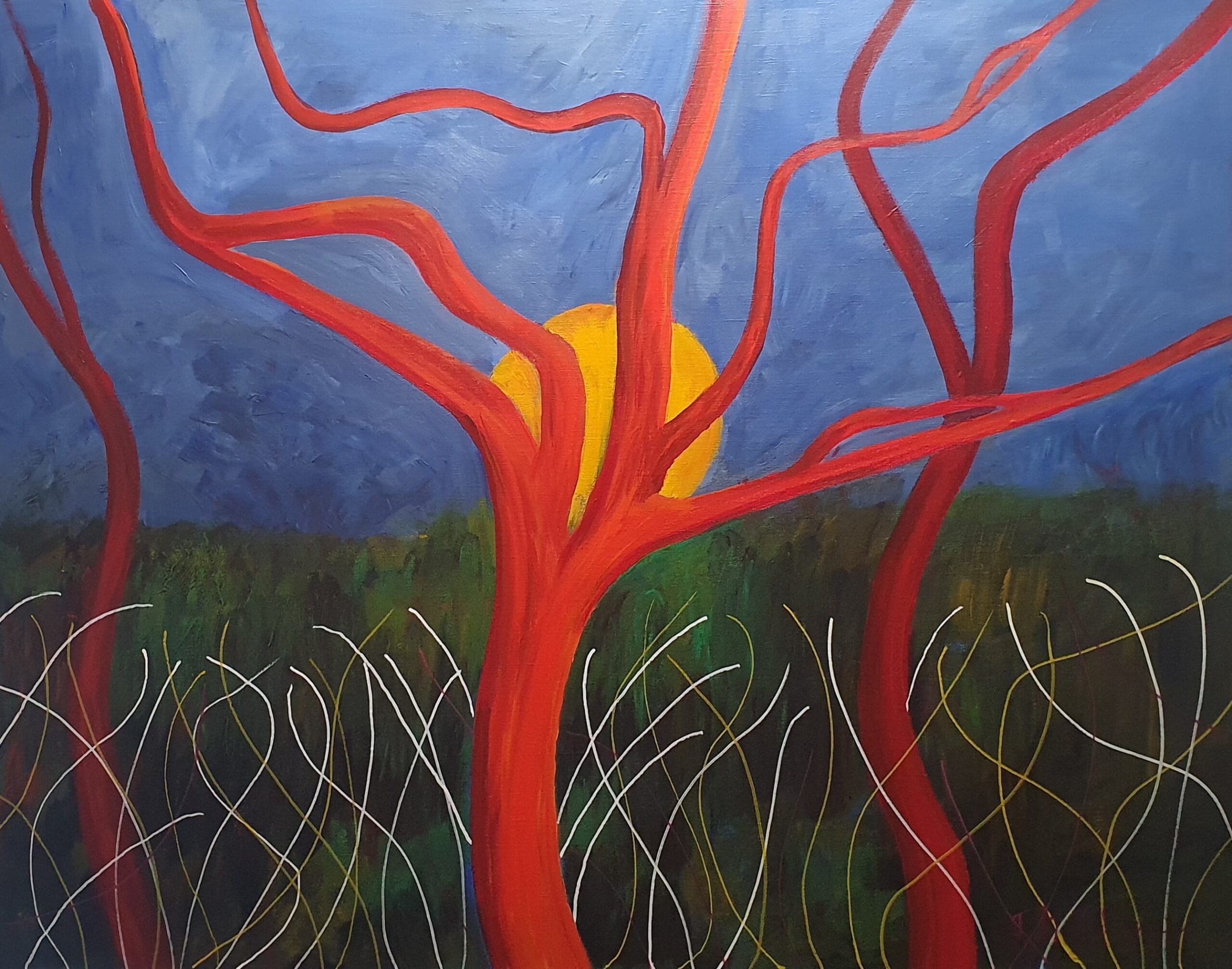
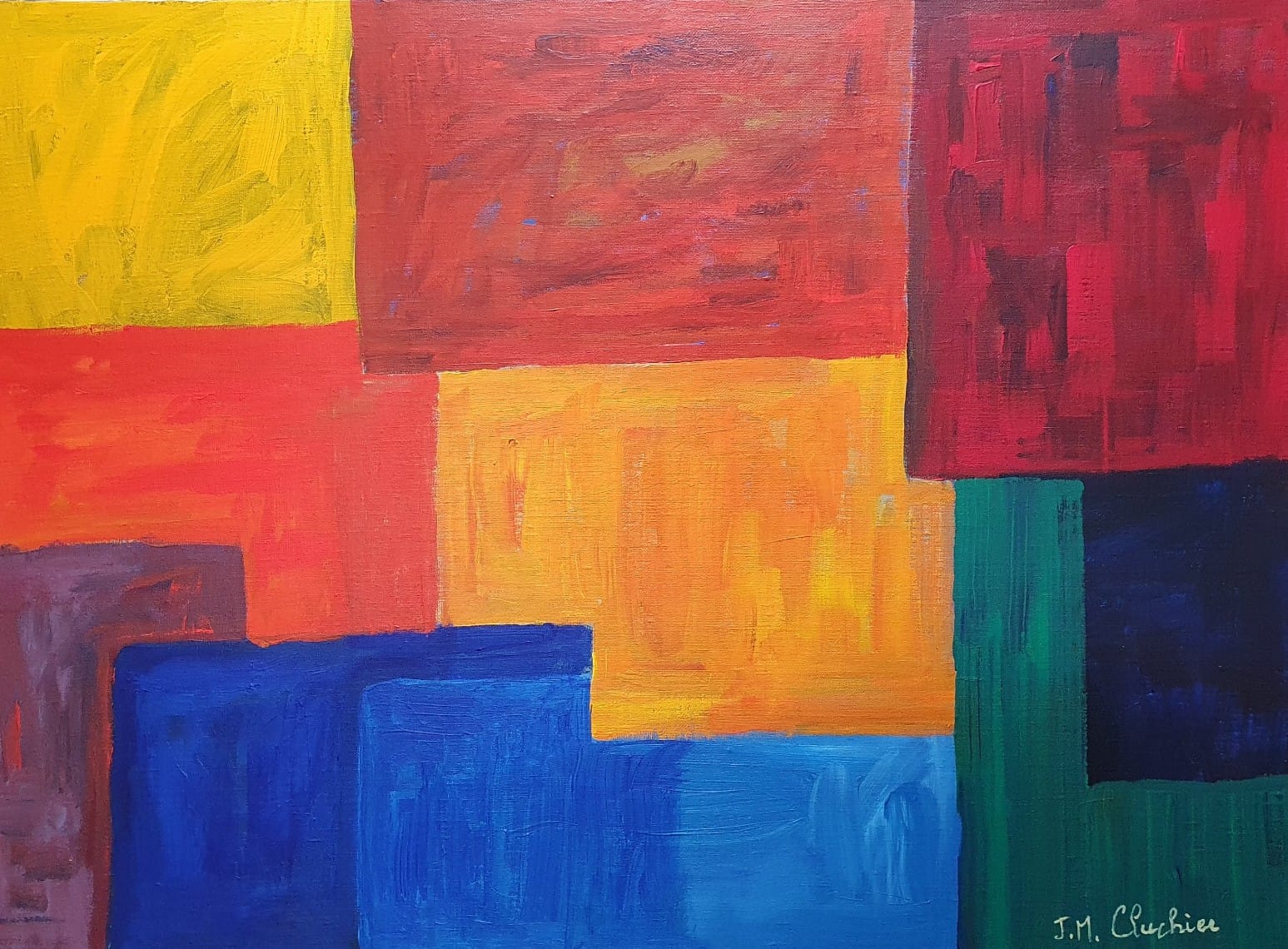
Advantages and Disadvantages
Key Advantages
The fast drying time is both an advantage and a disadvantage depending on the techniques used. It allows for quick layering without waiting, creating successive transparent effects, and easily correcting mistakes. Using water as a solvent eliminates the unpleasant odors and health risks associated with traditional solvents, making the studio more pleasant and allowing painting in unventilated spaces.
The range of available mediums considerably expands creative possibilities: drying retarders to extend working time, mediums for glazing and transparency, gels to thicken the paint, and matte or gloss varnishes. Acrylic adheres to almost any surface (canvas, wood, paper, metal, glass), offering great freedom for experimentation.
Limitations to Consider
The fast drying time may frustrate artists accustomed to the subtle blending of oil paints. The colors darken slightly as they dry, requiring adjustments in the choice of hues. Once dry, the paint becomes completely waterproof and cannot be reworked, unlike oil paint, which remains workable for days. Some artists also find that acrylic lacks the characteristic luminous depth of oil paint, although this perception is largely subjective and depends on the technique used.
Differences in Final Result
An oil painting generally exhibits a unique chromatic richness and depth of light, resulting from the transparency of the oil and its slow oxidation. Traditional oil glazes create a particular luminosity that permeates the layers of paint. The natural finish of oil paint tends toward a satin sheen.
Acrylic paint, on the other hand, offers a characteristic matte finish, unless glossy mediums or varnishes are used. The colors may appear flatter on the surface, but this appearance largely depends on the technique: with the right mediums and varnishes, it’s possible to achieve depth comparable to oil paint. Acrylic excels at creating bold, flat areas of color and sharp contrasts, which explains its widespread adoption by pop and contemporary artists.
Choosing Acrylic Paint According to the Type of Painting
For contemporary abstract, graphic, or geometric works, acrylic paint often stands out as the ideal choice thanks to its ability to create uniform flat areas and vibrant colors. Artists working on large-scale pieces appreciate its quick drying time, which allows for increased productivity.
Oil paint is often preferred for classical portraits and realistic landscapes where subtle blending and rich skin tones are essential. However, many contemporary portrait painters have mastered acrylic paint by using retarders and appropriate techniques.
For mixed media, experimentation, and works incorporating collage or various materials, acrylic offers superior adhesion and compatibility. Its polymeric nature allows for the incorporation of sand, fabrics, and papers, creating textures impossible to achieve with oil.
Durability and Preservation
Contrary to popular belief, acrylic paint offers excellent durability. The acrylic film is extremely resistant, flexible, and does not yellow over time, unlike some oil paints that can develop an amber tint with age. Acrylic paint does not crack and does not require strict adherence to the “fat over lean” rule, essential in oil painting.
Acrylic canvases are more resistant to humidity and temperature variations than oil paints. However, they are more susceptible to scratches before the application of a protective varnish. Oil painting has centuries of history behind it, allowing for a precise understanding of its long-term behavior, while acrylic, with only 70 years of existence, does not yet have this historical depth. Current studies nevertheless suggest excellent long-term stability, even surpassing that of some oil paints.
Trends Among Contemporary Artists
Acrylic is experiencing growing popularity in contemporary art, without, however, completely dethroning oil. The reasons for this enthusiasm are numerous: environmental awareness (absence of toxic solvents), speed of execution suited to the pace of contemporary creation, versatility allowing for experimentation, and affordability.
Many contemporary artists no longer see oil and acrylic as opposing forces but combine them, using the strengths of each medium according to their needs. Some prepare their canvases with acrylic before finishing with oil, while others create base layers in oil and finish with acrylic for crisp details.
In art schools and studios, acrylic has become the preferred learning medium due to its ease of use and safety. This early familiarization naturally influences artists’ choices throughout their careers. Leading figures in contemporary art, such as David Hockney, Gerhard Richter, and Jenny Saville, have demonstrated that acrylics can produce works of equal quality and depth to those created with oils.
Conclusion
Acrylic paint has definitively earned its place in contemporary art. Far from being a mere economic substitute for oil paint, it constitutes a medium in its own right, with its own unique qualities and infinite possibilities for expression. For contemporary artists, the choice between acrylic and oil is less a matter of qualitative hierarchy than of finding the right balance between the medium’s properties and the artistic intention. In a constantly evolving art world, acrylics perfectly embody the modernity, creative freedom, and technical innovation that characterize our era.